Abstract Backgrounds Mix: Design Assets for Every Project
When you're building a brand, creating a marketing campaign, or designing a product, the visual foundation you choose matters more than most people realize. Abstract Backgrounds Mix is a collection of design assets that gives you exactly that kind of foundation — versatile, high-quality backgrounds ready to support everything from social media graphics to print packaging.
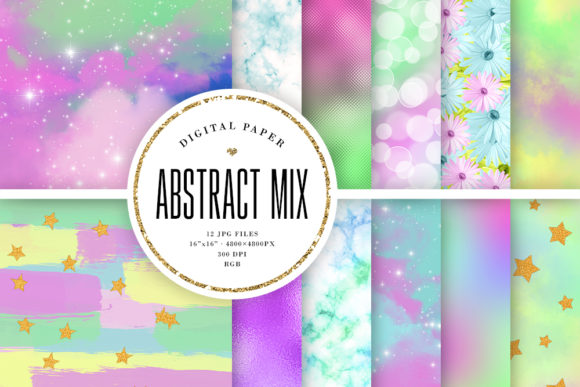
This isn't just another set of pretty images. The collection includes 12 JPG files, each sized at 4800×4800 pixels with a print dimension of 16"×16". At 300 DPI in RGB color mode, these backgrounds are built for professional use. Whether you're working on a digital campaign or preparing files for a commercial printer, the resolution and color specifications hold up without compromise.
What Makes These Backgrounds Work
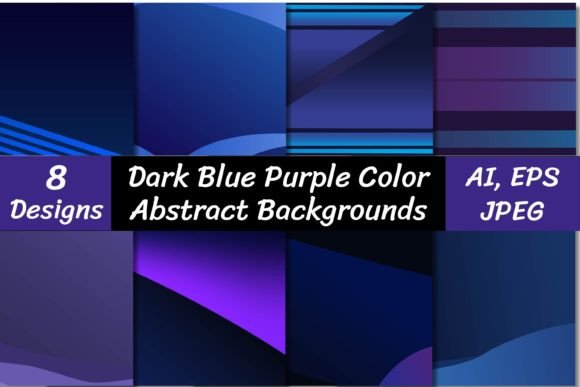
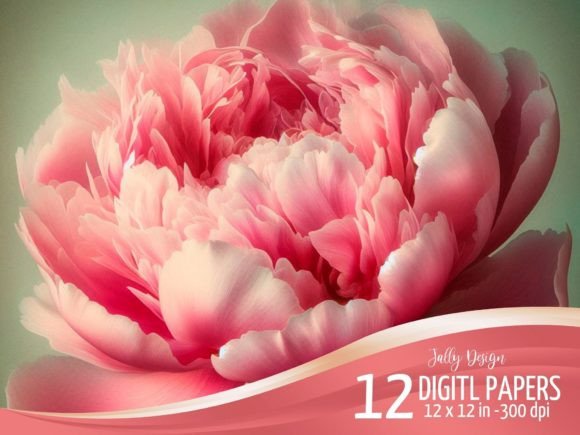
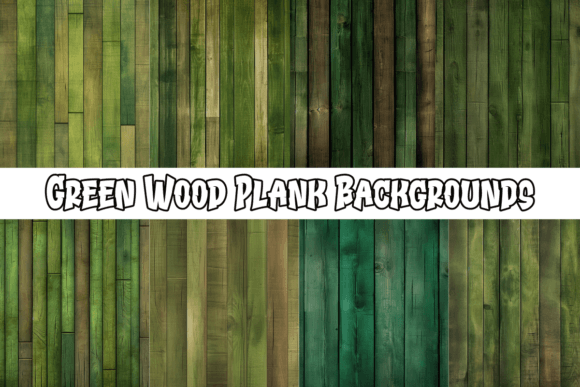
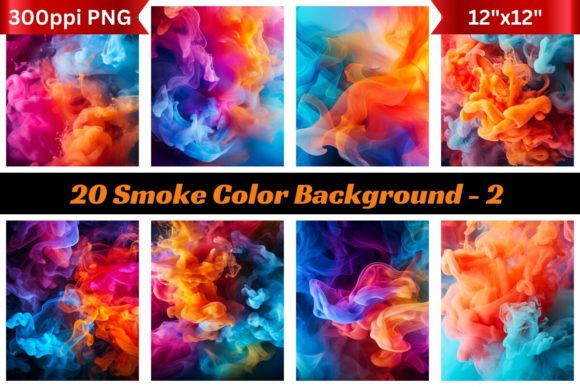
The visual personality of Abstract Backgrounds Mix sits in a sweet spot between bold and subtle. You'll find organic textures, fluid color transitions, and layered compositions that feel modern without being trendy in a way that dates quickly. Some pieces lean toward warm, earthy palettes. Others pull in cooler tones or high-contrast combinations. That range is intentional — it means you're not locked into a single aesthetic.
What I appreciate most is how these backgrounds behave in real design contexts. A background that looks stunning as a standalone image often falls apart when you layer text, logos, or product photography on top of it. These don't. There's enough visual interest to add depth and personality, but enough restraint that they support your content rather than competing with it. That balance is harder to find than you'd think, and it's what separates useful design assets from decorative clutter.
Where Abstract Backgrounds Mix Shines
Let's talk about real applications, because that's what matters when you're deciding whether a resource earns its place in your toolkit.
Brand Identity and Logo Design
If you're developing a brand identity — whether for yourself, a client, or a new business — these backgrounds work beautifully as presentation backdrops, mood board elements, or secondary visual textures. Imagine a brand guidelines document where each section opens with a different abstract background. It immediately signals creativity and professionalism without relying on stock photos that every other startup is already using.
For logo design presentations, placing a mark against one of these backgrounds gives clients a sense of how the identity lives in the world. It moves the conversation beyond flat white mockups and into something more tangible.
Editorial and Publishing Design
Magazine covers, book jackets, newsletter headers, blog post featured images — editorial design lives and dies on visual impact. Abstract Backgrounds Mix gives you a library of options that work across different editorial tones. A wellness publication might use the softer, more organic textures. A tech-focused newsletter might gravitate toward the higher-contrast, geometric-leaning pieces. The point is that one collection covers a wide editorial spectrum.
For bloggers and content creators publishing regularly, having 12 distinct backgrounds means you can rotate through them over weeks or months without your visual content feeling repetitive. That kind of consistency-with-variety is exactly what keeps audiences engaged.
Digital Marketing and Social Media
Social media graphics demand attention in crowded feeds. A well-chosen abstract background instantly elevates a quote card, promotional post, or announcement graphic. Because these files are 4800×4800 pixels, you have plenty of resolution to crop into different aspect ratios — square for Instagram, vertical for Stories, horizontal for Twitter or LinkedIn banners — without losing quality.
For paid advertising, the backgrounds work as eye-catching foundations for ad creatives. Pair them with clean sans serif font typography for a modern, approachable feel, or layer in a script font for something more expressive. The versatility here saves you time and money that you'd otherwise spend sourcing new visuals for every campaign.
Packaging and Print Design
At 300 DPI and 16"×16" print dimensions, these backgrounds are genuinely print-ready. That's not always the case with design assets marketed for commercial use, so it's worth calling out. For packaging design, you can use them as full-panel backgrounds, partial textures, or accent elements. Product labels, box designs, shopping bags, business cards — the applications extend wherever print design goes.
Small business owners creating their own packaging will find this especially valuable. Professional print-quality backgrounds at your fingertips mean you don't need to commission custom artwork for every product line or seasonal refresh.
How Backgrounds Influence Perception
Here's something that experienced designers understand intuitively but rarely explain to clients: the background of any visual communicates before a single word is read. It sets the emotional register. A warm, textured abstract background suggests creativity, approachability, and human touch. A cooler, more structured one signals precision, technology, and clarity.
When you're building a brand identity, that background language becomes part of your visual vocabulary. Using Abstract Backgrounds Mix consistently across your materials — website hero sections, presentation decks, social profiles, printed collateral — creates a recognizable visual thread. Your audience starts associating those textures and color relationships with your brand, even before they consciously register your logo or name. That's the kind of subtle brand recognition that compounds over time.
Practical Guidance for Choosing and Using These Backgrounds
Not every background in the collection will suit every project, and that's fine. Here's how I'd approach working with them:
- Audit your project needs first. Before opening the files, clarify what you're designing and who it's for. A background that works for a yoga studio's Instagram won't necessarily work for a fintech company's pitch deck.
- Test with your actual content. Drop your real text, logos, and imagery onto the backgrounds before committing. What looks beautiful in isolation might create readability issues once you add a headline in a handwritten font or a paragraph set in a serif font.
- Consider font pairings carefully. If you're using these backgrounds alongside typography, think about contrast. Busy, colorful backgrounds pair better with clean, high-contrast typefaces. Simpler backgrounds give you more room to experiment with expressive display fonts or decorative script fonts.
- Think about visual hierarchy. Your background should be the lowest layer in the visual hierarchy. If it's pulling focus from your headline or call to action, consider adjusting opacity, adding a semi-transparent overlay, or choosing a different background from the collection.
- Review licensing for commercial use. Always confirm that your intended use — whether personal, client-based, or commercial — falls within the asset's licensing terms. This protects you and ensures you can use the backgrounds confidently across all your projects.
Building a Consistent Visual System
The real power of a resource like Abstract Backgrounds Mix shows up when you use it systematically. Pick two or three backgrounds from the collection that align with your brand's personality and rotate them across your touchpoints. Your website, your email headers, your social content, your printed materials — when they share a visual DNA, your entire presence feels more cohesive and intentional.
That consistency signals professionalism to your audience. It tells them you've thought about your brand, that you care about details, and that you take your work seriously. For entrepreneurs and small business owners especially, that perception can be the difference between someone choosing you over a competitor.
Ultimately, good design assets earn their value through repeated, practical use. Abstract Backgrounds Mix gives you the quality, the resolution, and the visual range to support real creative work — not just once, but across dozens of projects over time.