Green Wood Plank Backgrounds: A Natural Design Solution
There’s a certain quiet confidence that comes from using natural textures in design. It’s not about shouting for attention but about creating a space that feels authentic and grounded. This is precisely the feeling our new collection of Green Wood Plank Backgrounds brings to the table. It’s a curated set of design assets that moves beyond simple stock imagery, offering a versatile and sophisticated foundation for a wide range of projects. Think of it less as a mere backdrop and more as a foundational element of your visual storytelling.
Understanding the Texture and Its Personality
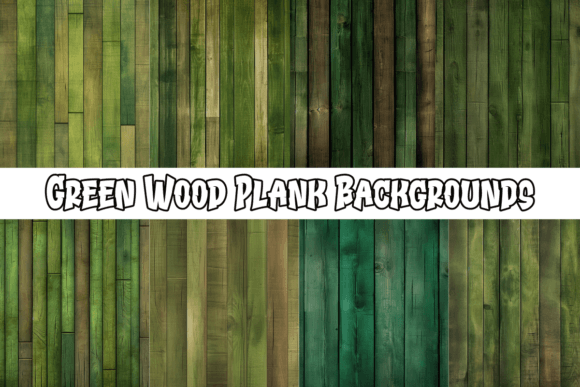
At its core, this collection is a study in organic detail. Each background is a high-resolution capture of wood grain, but with a distinct, stylized twist. The color palette isn't the typical brown or grey; it's a spectrum of greens, from the soft sage of weathered driftwood to the deep, rich emerald of forest timber. This unique coloration is what sets these backgrounds apart. The natural knots, subtle cracks, and linear grain patterns remain, providing the textural authenticity of real wood, while the green tone introduces a fresh, contemporary, and slightly unexpected element.
The personality of these backgrounds is best described as rejuvenating and calm. They carry the inherent stability and warmth of wood but infuse it with the vitality and growth associated with the color green. This makes them incredibly adaptable. They can feel rustic and earthy for a brand focused on sustainability, or sleek and modern when paired with clean typography and minimalist layouts. It’s a style that avoids fleeting trends, offering a timeless appeal that can anchor a design for years. The overall effect is one of sophisticated tranquility, a perfect antidote to the visual noise of the digital world.
Where These Backgrounds Truly Shine
The practical applications for a creative font or texture are what matter most, and this collection excels across numerous domains. For brand identity work, these backgrounds are a game-changer. Imagine a coffee roaster or an organic skincare line using a muted green plank as the foundation for their logo design and packaging. It immediately communicates a connection to nature, quality, and craftsmanship without a single word. The texture adds a layer of depth and tangibility that flat colors simply cannot achieve.
In editorial design and web design, they serve as powerful section dividers or hero image backgrounds. A lifestyle blog focused on wellness or home decor can use these textures to create a cohesive and immersive atmosphere. They provide enough visual interest to be engaging but are subtle enough that they won't compete with overlaid text or product photography. When used for social media graphics, they create a consistent, recognizable feed that stands out from the ubiquitous gradients and solid-color posts. The key is their versatility; they function beautifully as a stage for other design elements, enhancing rather than overwhelming the core message.
Strategic Application for Maximum Impact
Using a texture like this effectively requires a bit of strategic thinking. It’s not just about placing it behind your content; it’s about integrating it into your visual hierarchy. The most successful implementations often use the background to frame key elements. For instance, placing a bold sans serif font or a delicate script font over a slightly darkened or blurred section of the plank creates excellent readability and a clear focal point. This technique guides the viewer's eye exactly where you want it to go.
When it comes to font pairing, the green wood plank is surprisingly accommodating. It pairs exceptionally well with clean, geometric sans serif font families like Montserrat or Poppins, creating a modern, grounded aesthetic. For a more traditional or artisanal feel, a sturdy serif font with a bit of character, such as Lora or Merriweather, works beautifully. Even a flowing handwritten font or script font can find a home here, especially for invitation designs or quote graphics, where the texture adds a touch of rustic elegance. The goal is to create a harmonious dialogue between the organic texture of the background and the structured form of the typeface.
Making the Right Choice for Your Project
Before diving in, take a moment to evaluate if these design assets are the right fit. Consider the core message of your project. Does it align with themes of nature, growth, sustainability, calm, or artisanal quality? If so, you’re on the right track. Look closely at the different variations within the collection. Some planks have a more pronounced grain, while others are smoother. Some are lighter, almost pastel, while others are deep and moody. Choosing the right one can dramatically affect the mood of your final design.
Always test your chosen background with your actual content. Place your logo, headlines, and body copy over it. Does the text remain legible? Is the overall composition balanced? Sometimes, a simple adjustment like adding a semi-transparent overlay or a subtle drop shadow can make all the difference. This practical testing phase is crucial. It’s also wise to consider the technical aspects. Ensure the resolution is suitable for your needs, whether for print design like brochures and business cards or for high-DPI digital screens. Finally, confirm that the licensing for these premium font and texture assets covers your intended use, whether it's for a personal project or a large-scale commercial campaign.
In a marketplace saturated with generic visuals, the Green Wood Plank Backgrounds collection offers a thoughtful and versatile alternative. It provides a way to inject genuine personality and natural beauty into your work, creating designs that are not only seen but felt. By understanding its character and applying it with intention, you can elevate your projects and build a more compelling and cohesive visual narrative.