Brighten Your Projects with Yellow Wood Plank Backgrounds
More Than Just a Texture: The Psychology of Yellow Wood
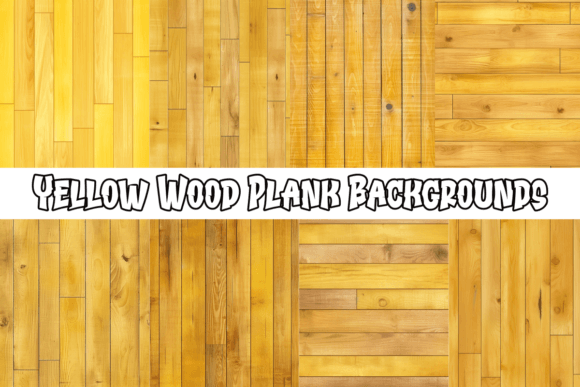
There's an undeniable warmth that wood brings to any design. It connects us to nature, evokes feelings of comfort and stability, and adds a layer of organic texture that synthetic materials often lack. Now, imagine infusing that natural appeal with the vibrant, optimistic energy of yellow. That’s the core promise of a Yellow Wood Plank Backgrounds collection. This isn't just about slapping a sunny filter over a generic image; it's about a carefully curated set of design assets where the golden, amber, and honey-toned hues are integral to the wood's character. The natural grain patterns aren't obscured; they're highlighted, creating a surface that feels both authentically rustic and refreshingly modern.
The personality of these backgrounds is distinctly cheerful and inviting. They can transform a flat digital space into one that feels tangible and full of life. Think of the difference between a sterile, white-walled room and one with sun-kissed, pine flooring. The latter immediately feels more lived-in, more energetic. In brand identity work, this quality is invaluable. A brand using these textures in its social media graphics or website can project an image that is approachable, creative, and full of positive energy—perfect for lifestyle brands, artisanal product sellers, or any business aiming to foster a sense of community and warmth.
Practical Applications: Where Yellow Wood Truly Shines
The versatility of a Yellow Wood Plank Background is one of its greatest strengths. Its application extends far beyond a simple decorative element. For web design, a subtle plank texture can serve as an engaging background for a hero section, making text overlays pop while maintaining excellent readability when the texture is kept low-contrast. It provides a perfect middle ground between the flatness of a solid color and the potential distraction of a busy pattern. In editorial design, such as magazine layouts or blog headers, these backgrounds create a distinct visual theme, instantly setting a tone for content related to home decor, DIY projects, or outdoor lifestyles.
In the realm of packaging design, yellow wood planks can communicate a product's handmade quality or natural ingredients before the customer even reads the label. A coffee brand, a line of artisanal soaps, or a gourmet food item could use this texture to evoke feelings of authenticity and craftsmanship. For digital creators, the applications are equally broad:
- Social Media Content: Create consistent, eye-catching templates for Instagram stories, Facebook posts, or Pinterest pins that stand out in a crowded feed.
- Presentation Backgrounds: Move away from default corporate templates. A warm wood background can make a business presentation feel more engaging and memorable.
- Digital Art & Scrapbooking: Layer these textures to add depth and a unique, mixed-media feel to digital illustrations or photo composites.
It’s crucial to consider context. A bright, saturated yellow wood might be perfect for a poster promoting a summer festival but could overwhelm a formal annual report. The key is to evaluate the project's tone. The collection likely offers a range, from pale, whitewashed yellows to deep, aged oak tones, allowing you to select the right level of vibrancy for your specific goal.
Integrating Texture: A Designer's Practical Guide
Simply choosing a beautiful background is only half the battle. Effective integration is what separates good design from great design. First, consider your typography. Pairing a display font with strong character against the organic lines of wood can create a powerful focal point. However, for body text, you'll need a highly legible sans serif font or a clean serif font with good x-height to ensure readability against the textured surface. Always test your font pairing directly on the background at the intended size.
Next, think about visual hierarchy. The texture itself is a design element. If your primary goal is to showcase a product photograph or a large block of text, you may want to reduce the opacity of the background or use a semi-transparent overlay. This allows the texture to add warmth without competing for attention. Conversely, in a design where the background is the main event—like a desktop wallpaper or a standalone art print—you can let it take center stage.
Finally, a note on practicalities. When sourcing these design assets, look for collections that offer high-resolution files suitable for both print and digital use. Check the licensing terms carefully, especially if you're a small business owner or entrepreneur planning to use the backgrounds in commercial products for sale. A truly versatile collection will provide seamless tiles for larger surfaces and variations in plank width, color saturation, and grain detail. By treating Yellow Wood Plank Backgrounds not as a mere decoration but as a foundational component of your visual language, you can consistently craft designs that feel authentic, energetic, and professionally polished.