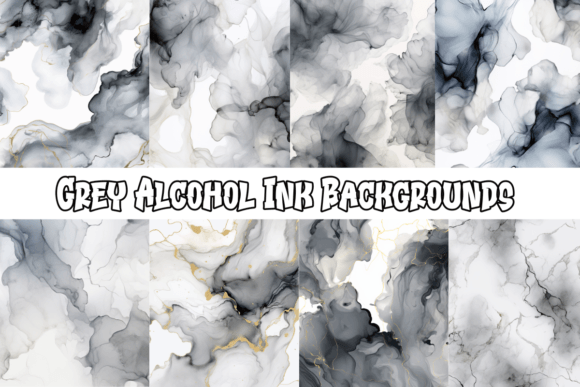
Elevate Your Designs with Grey Alcohol Ink Backgrounds
There is a specific kind of quiet power in neutral tones. While bright colors scream for attention, Grey Alcohol Ink Backgrounds offer a sophisticated whisper that often commands more respect. These designs capture the unpredictable, fluid nature of alcohol ink art, translating the organic movement of pigment into a digital asset that feels both modern and timeless. For creatives looking to add texture, depth, and a sense of calm to their projects, this collection provides a versatile foundation that works harder than most busy patterns ever could.
The Organic Nature of Fluid Art
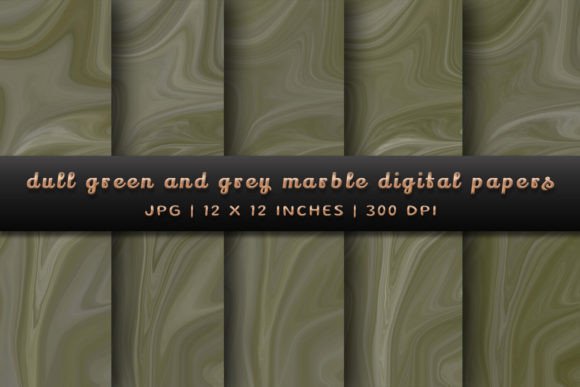
When we talk about the visual characteristics of these backgrounds, we are talking about a distinct personality. Unlike flat, static digital colors, Grey Alcohol Ink Backgrounds are defined by their gradients and "blooms." You will see darker charcoal tones bleeding into soft, airy ash greys, often separated by sharp, marble-like veins where the pigment has settled. This creates a natural visual hierarchy within the image itself. The texture mimics the behavior of real isopropyl alcohol and ink, resulting in unique abstract patterns that feel organic and handcrafted rather than mass-produced.
The appeal lies in this balance between chaos and control. The style is inherently modern, yet it possesses a classic elegance because grey is a timeless color. It does not carry the emotional weight of aggressive reds or saddening blues; instead, it represents neutrality, balance, and professionalism. For a designer, this "personality" is invaluable. It provides a complex visual texture that looks premium without overwhelming the subject matter you place on top of it. Whether you are using a serif font for an editorial look or a sans serif font for a clean tech vibe, the ink texture supports the typography rather than competing with it.
Strategic Applications for Brand Identity
Understanding where to deploy these assets is just as important as the assets themselves. In brand identity work, consistency is key, and these backgrounds offer a unifying theme across various touchpoints. Imagine a luxury skincare brand or a high-end real estate agency. Their branding often needs to communicate exclusivity and calm. Using Grey Alcohol Ink Backgrounds for their packaging design or stationery immediately elevates the perceived value of the product. The fluidity of the ink suggests creativity, while the grey palette suggests stability.
In the realm of digital marketing and social media graphics, scroll-stopping power is essential. However, "stopping" does not always mean "shouting." These backgrounds serve as excellent design assets for Instagram stories, podcast covers, or blog headers. Because the texture is so detailed, it draws the eye in to inspect the patterns, effectively keeping the viewer engaged longer. For entrepreneurs and small business owners creating their own logo design presentations, placing a logo over a grey ink texture adds a layer of professionalism that a plain white background simply cannot achieve. It turns a mockup into a mood.
Practical Guide to Implementation
Using a premium font or background set effectively requires a bit of strategy. Here is how to get the most out of this collection:
- Evaluating Project Fit: Assess the mood of your project. If you are designing for a legal firm or a financial institution, you might prefer the darker, more solid greys to convey authority. If you are working on a wedding invitation or a lifestyle blog, the lighter, airy washes with more white space will better suit a softer aesthetic.
- Typography Pairing: Because these backgrounds are textured, your typography needs to be legible. Avoid using a handwritten font or a complex script font directly over the busiest parts of the ink blooms. Instead, use a bold display font for headlines and pair it with a clean modern typography style for body text to ensure readability.
- Testing and Hierarchy: Use these backgrounds to create visual hierarchy. You can apply the ink texture to the header of a website or a sidebar to draw attention to specific content blocks. This is particularly effective in web design, where breaking up sections with texture can guide the user's eye down the page.
Readability and Commercial Considerations
One of the most common mistakes in editorial design is ignoring the contrast between text and background. While Grey Alcohol Ink Backgrounds are beautiful, they are not uniform. When placing text, look for the "quiet areas" in the image—spots where the grey is lighter or more solid. If you must place text over a darker, textured area, consider adding a subtle semi-transparent overlay or a drop shadow behind your text to ensure the copy remains crisp. This is vital for web design accessibility standards.
From a business standpoint, always review the licensing of your design assets. Ensure that the collection you choose includes a commercial font license if the backgrounds are bundled with typography, or check the usage rights for the images themselves. Most high-quality collections allow for use in both digital and print environments, but it is good practice to verify this before printing large batches of packaging design materials. By treating these backgrounds as professional tools rather than just decoration, you ensure that your work remains polished, consistent, and legally sound.