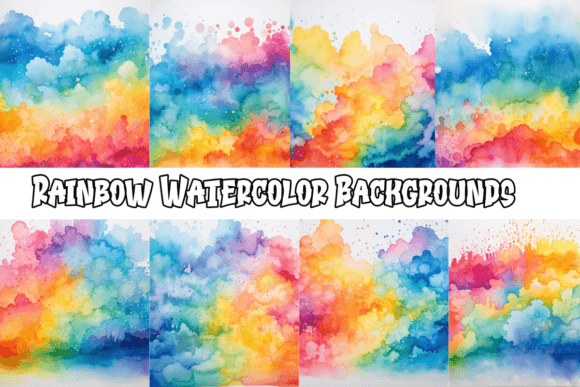
Rainbow Watercolor Backgrounds: A Splash of Digital Artistry
There is a specific kind of energy that comes from watching watercolor pigment hit wet paper. It blooms, it bleeds, and it creates textures that are impossible to replicate mathematically. That organic, unpredictable magic is exactly what our Rainbow Watercolor Backgrounds collection brings to the digital table. We aren't just offering a static set of colors; we are offering a curated spectrum of expertly blended hues designed to inject life into projects that might otherwise feel flat or sterile. Whether you are a graphic designer trying to break away from rigid grid systems or a small business owner looking for a way to stand out on social media, these backgrounds provide a bridge between traditional artistry and modern digital workflow.
The visual personality of this collection is bold yet fluid. Unlike standard stock photos or flat vector textures, Rainbow Watercolor Backgrounds carry the nuance of physical media. You see the grain of the paper, the varying saturation of the pigment, and the gentle gradients where one color melts into the next. This style speaks a language of creativity and openness. It suggests that a brand is approachable, artistic, and unafraid of color. In a digital landscape often dominated by minimalist sans serif designs and stark white spaces, a watercolor background acts as a visual anchor, grounding your content with warmth and personality. It is a versatile design asset that can serve as a full-bleed background or be cropped and manipulated to create unique textures and overlays.
Where Creativity Meets Application
Understanding where these backgrounds fit best is key to maximizing their value. They are not merely "pretty pictures"; they are functional design assets that can solve specific visual problems. For web design, a subtle application of a Rainbow Watercolor Background can soften the harshness of a landing page, making a "Call to Action" feel less aggressive and more inviting. However, one must be careful with readability. If you are overlaying text directly onto a vibrant, multi-colored watercolor wash, the varying contrast can make reading difficult. In these instances, these backgrounds work best behind content blocks or as hero images where text is placed in a solid, contrasting container.
For those in brand identity and logo design, these textures offer a way to create depth. Imagine a business card for a florist, a wellness coach, or a creative agency. Instead of a plain matte finish, using a segment of a Rainbow Watercolor Background as a spot UV coating or a full background can elevate the tactile experience of the print piece. It transforms a standard piece of paper into a tactile object. Similarly, in packaging design, these backgrounds can differentiate products on a crowded shelf. A food brand or a cosmetics line using watercolor textures signals natural ingredients and artisanal quality. The fluidity of the rainbow hues suggests variety and vibrancy, which is perfect for product lines that come in multiple flavors or scents.
Social media graphics are another prime territory for this collection. The scroll-stopping power of bright, saturated color is undeniable. Content creators, bloggers, and marketers can use these backgrounds to create a cohesive aesthetic for Instagram stories, Pinterest pins, or Facebook ads. Because the collection includes a spectrum of colors, you can maintain brand consistency while varying the visual interest. You might use a cool-toned blue-green wash for educational posts and a warm red-orange wash for promotional announcements, all while keeping the underlying "hand-made" texture consistent. This approach prevents visual monotony while reinforcing brand recognition.
The Psychology of Color and Texture in Design
When you choose to use Rainbow Watercolor Backgrounds, you are making a deliberate choice about the psychological perception of your work. Color theory is not just for painters; it is a fundamental component of marketing strategy. Bright, multi-spectrum colors are associated with optimism, diversity, and energy. This makes the collection particularly effective for industries targeting children, creative services, events, or any brand trying to convey a message of joy and inclusivity.
However, the "watercolor" aspect adds another layer to this psychology. It implies authenticity. In an era of AI-generated perfection and hyper-polished corporate imagery, the slight imperfections of watercolor strokes feel human. For a publisher designing a book cover for a fiction novel, specifically in the romance or fantasy genres, these backgrounds evoke emotion and imagination. They set a mood instantly. For a blogger, using these backgrounds suggests that the content within is personal and crafted with care, rather than churned out by a machine. It creates an emotional connection with the viewer before they even read a single word of your content.
Practical Guidance for Designers and Creators
To get the most out of this collection, it helps to treat these backgrounds as you would a premium font. You wouldn't use a heavy, decorative display font for body copy, and similarly, you shouldn't treat these backgrounds as an afterthought. Here are some practical ways to integrate them effectively into your workflow:
- Typography Pairing: Because Rainbow Watercolor Backgrounds are visually complex and "busy," they pair best with clean, legible typefaces. A sans serif font with good weight (like a bold sans or a clean geometric) usually works best for headlines to ensure contrast. If you are going for a whimsical, artistic vibe, a script font can work, but ensure it has thick strokes so it doesn't get lost in the paint texture. Avoid highly detailed serif fonts for small text, as the background texture can make fine serifs difficult to read.
- Opacity and Blending: Don't be afraid to lower the opacity. A Rainbow Watercolor Background at 30% opacity creates a beautiful, subtle texture that doesn't overpower the content. This is excellent for editorial design, such as magazine layouts or lookbooks, where the background needs to support the imagery rather than compete with it.
- Cropping and Framing: You don't have to use the whole splash. Zooming in on a specific corner of the background can yield interesting abstract textures that look completely different from the full image. This is a great trick for creating unique social media graphics that look like custom illustrations.
- Color Extraction: Use the backgrounds to generate a color palette. If you find a specific segment of the rainbow blend that fits your brand identity, use a color picker tool to sample those hex codes. You can then use those exact colors for your buttons, links, and text accents, ensuring a perfectly harmonious design system.
Evaluating Fit and Licensing
Before applying these backgrounds to a commercial project, it is always wise to review the specific licensing terms. While these assets are designed for broad use, understanding the difference between personal and commercial application ensures you are protected. For entrepreneurs and small business owners, this means checking if the asset can be used on print-on-demand merchandise or physical products sold for profit. Typically, high-quality design assets like these allow for this, but verifying the license is a mark of a professional workflow.
When evaluating the fit for your project, consider the "visual noise" level. If your project involves dense data visualization or complex infographics, a full-spectrum rainbow background might be too distracting. In those cases, consider using the textures to create borders or sidebars rather than a full background. Conversely, if you are designing an invitation, a poster, or a hero image where emotion trumps data density, these backgrounds are the perfect choice.
Ultimately, the Rainbow Watercolor Backgrounds collection is about versatility and vibrancy. It is a toolkit for anyone who wants to move beyond the mundane and inject a sense of hand-crafted artistry into their digital and print projects. By understanding how to balance the vibrancy of the color with the legibility of your typography, and by using these textures to reinforce your brand’s personality, you can create designs that are not only seen but felt. Whether you are building a brand from scratch or refreshing an existing visual identity, let the fluid magic of watercolor guide your next creative leap.