Timeless Design: Using Vintage Floral Texture Backgrounds
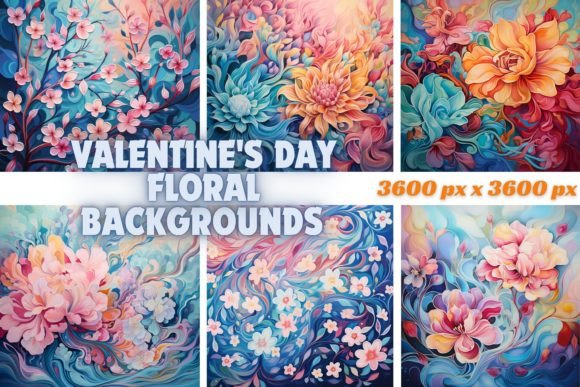
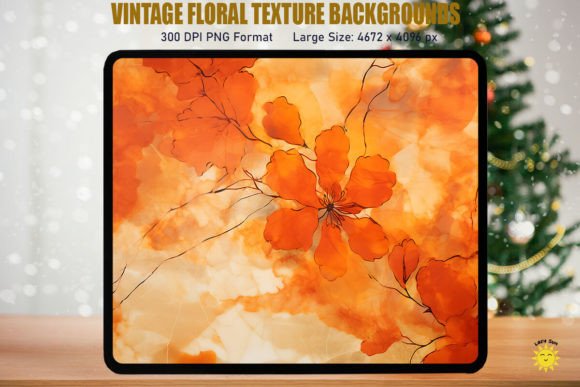
In a digital world saturated with clean lines and minimalist aesthetics, there's a growing desire for designs that feel organic, textured, and full of character. This is where Vintage Floral Texture Backgrounds come into play. These are not just simple images of flowers; they are complex, layered assets that evoke a sense of history, craftsmanship, and natural beauty. Think of the delicate, faded patterns on antique wallpaper, the intricate engravings on a botanical print, or the soft, sun-bleached look of a cherished family heirloom. This specific set, with its high resolution and substantial dimensions, offers a versatile foundation for countless creative projects, providing an instant touch of elegance and nostalgia.
The Visual Language of Antique Floral Textures
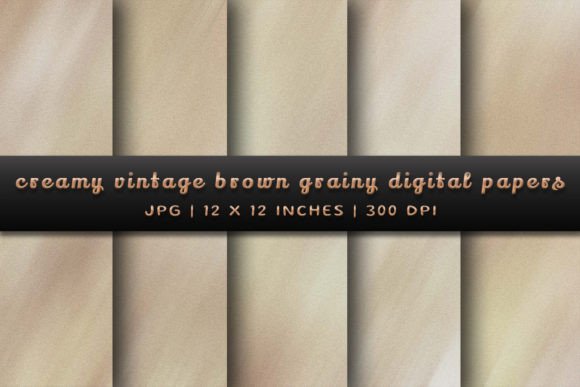
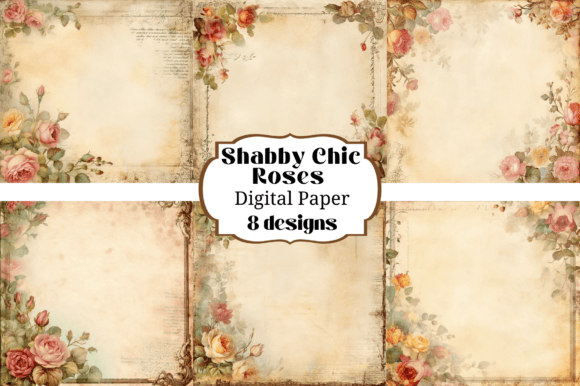
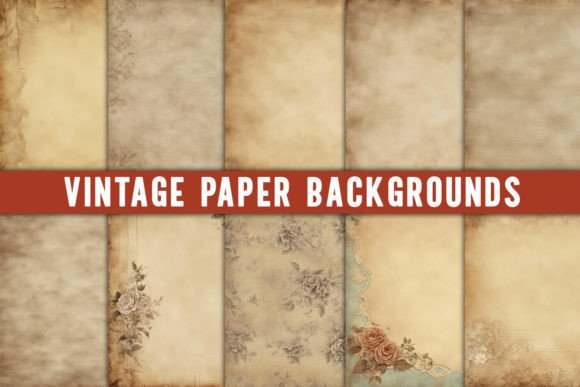
The appeal of antique floral textures lies in their nuanced personality. They carry a visual weight and a story that more modern, sterile graphics often lack. You'll typically find a blend of muted, often desaturated color palettes—think dusty roses, sage greens, and creamy ivories—alongside intricate line work that suggests hand-drawn artistry. The texture itself is paramount; it’s not just about the floral motif but the surface it appears on. You might see the subtle grain of aged paper, the faint craquelure of old paint, or the soft weave of a vintage fabric. This combination creates a background that feels authentic and lived-in, making it a powerful tool for designers aiming to build a specific mood or atmosphere.
This style communicates sophistication, romance, and a connection to the past. For a brand, using such a texture can instantly convey values like tradition, quality craftsmanship, and timelessness. It’s a visual shorthand for something made with care, which is why it resonates so strongly in fields like artisanal goods, boutique hospitality, and editorial publishing. The retro flower backgrounds included in this collection are more than just decoration; they are narrative elements that can anchor an entire visual identity.
Practical Applications for Designers and Creators
The true value of a Photoshop texture or photo overlay like this is its versatility. As a designer, you can integrate these assets in numerous ways to elevate your work. Here’s a breakdown of how they can be applied across different projects:
- Branding and Marketing: Use the texture as a subtle background for business cards, letterheads, and packaging. It adds depth without overwhelming the logo or text. For social media banners and email headers, it creates a visually engaging frame that stops the scroll and communicates a brand's aesthetic instantly.
- Digital and Web Design: These high-resolution files are perfect for website hero sections, blog post backgrounds, or as decorative elements within a layout. They provide a rich, tactile feel that can make a digital space feel more welcoming and curated. When used as a photo overlay, they can add a vintage filter to product photography, creating a cohesive look for an online store or portfolio.
- Print and Editorial: The 300 DPI resolution makes these assets ideal for print. Imagine them as the background for wedding invitations, thank you cards, or event programs. In editorial design, they can be used as chapter openers in a book, background textures for magazine layouts, or as decorative borders for posters and flyers.
- Personal and Craft Projects: For scrapbooking, digital art journals, or custom planners, these textures provide an instant layer of sophistication. Crafters can print them on fabric or paper to create unique home decor items, tote bags, or custom stationery sets.
Integrating Texture with Modern Typography
A common challenge is balancing a busy, ornate background with clear, readable text. The key is contrast and hierarchy. Pairing a vintage floral texture background with a clean, modern sans serif font for body copy ensures legibility. The simplicity of the typeface allows the intricate texture to shine without competing for attention. For headlines, you could use a bold, elegant serif font or even a sophisticated script font to lean into the vintage theme, but always ensure there's enough visual separation—perhaps through a solid color block, a semi-transparent overlay, or generous padding—to maintain readability.
Think of the texture as your stage and the typography as your actors. The stage sets the mood, but the actors must be clearly visible to deliver the message. This principle of visual hierarchy is crucial. Use the floral background to draw the eye and establish a tone, then use your font choices and layout to guide the viewer through your content logically and comfortably.
Choosing and Testing Your Design Assets
When selecting a premium font or texture set, it's wise to evaluate its fit for your specific project. Before committing, consider the following:
- Project Vibe: Does the texture's personality—whether romantic, rustic, or regal—align with the message you need to convey? A delicate, floral pattern might not suit a tech startup, but it could be perfect for a bakery or a wedding planner.
- Color Palette: While the included files are versatile, consider how their inherent color palette will work with your existing brand colors. The best design assets are those that can be seamlessly integrated or easily adjusted.
- Font Pairing: Test potential font pairings directly on the texture. Place your headline and body text on the background to check for contrast and readability at various sizes. A creative font might look stunning in isolation but become illegible when placed over a detailed pattern.
- Commercial Licensing: Always verify the license. For any project with commercial intent, ensure the asset is cleared for that use. This protects you legally and professionally, a cornerstone of building a sustainable brand identity.
Ultimately, incorporating a vintage floral texture background