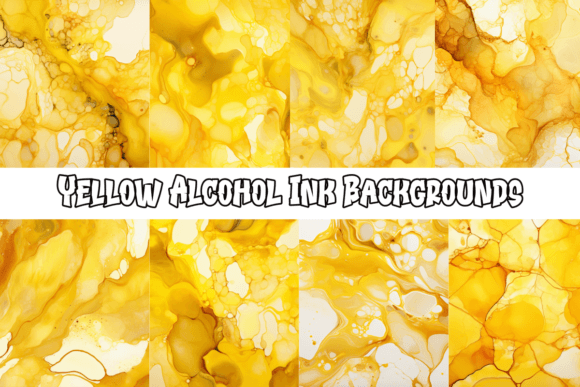
Yellow Alcohol Ink Backgrounds: A Burst of Creative Energy
When you open a new file in your design software, the blank canvas can feel intimidating. You need a foundation that doesn't just sit there, but actively contributes to your vision. This is where our captivating Yellow Alcohol Ink Backgrounds come in. These aren't static, flat colors. They are dynamic, organic textures that mimic the beautiful, unpredictable flow of alcohol ink on a slick surface. Imagine vibrant canary yellows swirling into soft marigold, with deep amber veins and luminous gold highlights that seem to glow from within. Each background in the collection is a unique abstract painting, offering a sense of fluidity, energy, and warmth that is hard to replicate with digital tools alone.
The personality of these backgrounds is unmistakable. They are bold yet sophisticated, energetic yet calming. The visual style is inherently modern and artistic, perfect for projects that need to convey creativity, optimism, and a touch of luxury. The overall appeal lies in their versatility. The blend of yellow hues—from sunny and cheerful to deep and grounding—creates a mood that can be both professional and playful. It’s a design asset that immediately signals quality and attention to detail, setting your work apart from designs using generic, solid-color gradients.
Where These Backgrounds Truly Shine
Understanding where to apply these backgrounds is key to unlocking their full potential. They excel in contexts where visual impact and emotional resonance are paramount.
For graphic designers and brand strategists, these backgrounds are a secret weapon for logo design and brand identity. Imagine a sleek, modern logo for a wellness brand, a creative agency, or a gourmet food product placed over a subtle, swirling yellow ink texture. It instantly communicates innovation, positivity, and a premium feel. The organic nature of the ink patterns adds a human touch that can soften a corporate identity and make a brand more relatable.
In web design and social media graphics, first impressions are everything. Using a Yellow Alcohol Ink Background as a hero section banner or a featured image backdrop for a blog post, product launch, or Instagram story creates an immediate focal point. It draws the eye and stops the scroll, providing a vibrant yet sophisticated canvas for text and other design elements. For content creators and marketers, this translates to higher engagement and more memorable content.
The applications extend beautifully into editorial design and packaging design. For a publisher, these backgrounds can elevate a book cover, especially for genres like contemporary fiction, self-help, or lifestyle. The abstract artistry suggests depth and creativity within the pages. For product packaging—think artisanal candles, specialty teas, or luxury stationery—the textured yellow backgrounds add a tactile, high-end quality that stands out on a shelf, telling a story of craftsmanship before the product is even opened.
The Practical Side: Choosing and Using Your Backgrounds
Having a stunning asset is one thing; using it effectively is another. Here’s how to integrate these backgrounds into your workflow with professional results.
Evaluating Project Fit: Before you download, consider your project's core message. Is it about energy, growth, happiness, or premium quality? If yes, the yellow ink palette is a strong candidate. It works exceptionally well for projects targeting audiences interested in creativity, wellness, food, and innovative services. Always consider the context—a legal document might not be the right fit, but a creative pitch deck absolutely is.
Testing Font Pairings: The fluid, organic nature of these backgrounds pairs best with clean, structured typography to create a balanced visual hierarchy. A strong sans serif font for headlines provides excellent contrast and readability against the intricate patterns. For a more elegant or traditional feel, a refined serif font can work beautifully, especially for body text or subheadings. Avoid overly decorative script fonts or handwritten fonts for main body copy, as they can become lost in the texture. Use them sparingly for accents or pull quotes. The key is to ensure your text has enough contrast and size to remain legible.
Leveraging the Collection: A good collection offers variety. Look for backgrounds with different levels of saturation and complexity. Some might have bold, dramatic swirls perfect for a statement piece. Others may be more subtle and muted, ideal for a background where text needs to take center stage. Having this range within your design assets library allows you to maintain a consistent visual theme across a multi-piece campaign while varying the intensity.
Readability and Application: Always test your chosen background with your actual content. Place your text and graphics on top. Does the text remain clear? If not, you can use a semi-transparent overlay (a white or dark shape at 20-40% opacity) behind the text to create a safe reading zone. This technique preserves the beauty of the background while ensuring your message is front and center. For digital projects, this is a simple CSS trick; for print, it’s a standard layer adjustment in your design software.
Commercial Considerations: When sourcing these backgrounds, ensure you are using a commercial font and asset resource with clear licensing. For most professional work, you’ll need a license that covers commercial use, allowing you to incorporate the backgrounds into client projects, products for sale, and marketing materials without legal concerns. Reputable sources provide this information upfront.
Ultimately, Yellow Alcohol Ink Backgrounds are more than just pretty pictures. They are versatile tools for visual storytelling. They influence brand perception by adding warmth and creativity, enhance audience engagement through their captivating textures, and bring a level of professionalism and polish to your work that generic backgrounds cannot match. By choosing the right background, pairing it with thoughtful typography, and applying it with an eye for readability, you transform a simple design into an experience that resonates.